Mastering Strength: The 13 Essential Free Weight Exercises for Comprehensive Training
Free weight training offers an exceptionally versatile and effective approach to developing strength, enhancing muscle definition, and improving overall physical fitness. Unlike fixed-path machines, free weights – encompassing dumbbells, kettlebells, barbells, and resistance bands – allow for a natural range of motion, engaging more stabilizing muscles and promoting functional strength. This comprehensive guide delves into the profound benefits of incorporating free weights into your regimen and introduces 13 essential free weight exercises designed to target every major muscle group, suitable for both home and gym environments.
- •The Enduring Benefits of Free Weight Training
- •Free Weights Versus Machines: A Comparative Overview
- •Considerations Before Engaging in 13 Essential Free Weight Routines
- ◦Physical Limitations and Pre-existing Conditions
- ◦Pregnancy and Postnatal Periods
- ◦Recovery from Injury, Surgery, or Illness
- •Preparing for Your Free Weight Session: Warm-Up Protocols
- •Selecting the Appropriate Free Weights
- ◦Determining Your Starting Weight for 13 Essential Free Weight Movements
- •The 13 Essential Free Weight Exercises
- ◦Foundational Movements: Enhancing Strength with 13 Essential Free Weight Drills
- ▪1. Single-Arm Row
- ▪2. Dumbbell Chest Press
- ▪3. Split Squat
- ▪4. Seated Shoulder Press
- ▪5. Hip Thrust
- ▪6. Dumbbell Deadlift
- ▪7. Step-Ups
- ▪8. Seated Bicep Curls
- ▪9. Weighted Sit-Up
- ▪10. Overhead Triceps Extension
- ▪11. Dumbbell Shrugs
- ▪12. Russian Twists
- ▪13. Farmer's Walk
- ◦Mastering Proper Form and Technique
- ▪The Importance of Mind-Muscle Connection
- ▪Controlling the Movement (Tempo)
- ▪Breathing Techniques for Optimal Performance
- ▪Core Engagement in Every Movement
Whether you are new to strength training or seeking to refine your existing routine, understanding the nuances of free weight application is crucial. This article provides expert insights into exercise selection, proper form, and progressive overload principles. It will address common questions regarding weight selection, workout structure, and important considerations to ensure safe and effective training. The objective is to empower you with the knowledge to optimize your strength program and achieve sustainable fitness results through the power of diverse free weight movements.
The Enduring Benefits of Free Weight Training
Integrating free weight exercises into a fitness program offers a multitude of advantages beyond mere muscle building. These benefits contribute significantly to long-term health, physical performance, and metabolic efficiency. Understanding these positive impacts can motivate consistent engagement and highlight the value of 13 essential free weight movements.
- Lean Muscle Development: Free weights effectively stimulate muscle fibers, leading to increased lean muscle mass. This is crucial for strength and body composition.
- Enhanced Bone Density: High-intensity strength training, particularly with free weights, has been shown to improve or maintain bone density. This is especially vital for preventing osteoporosis. Studies indicate positive effects on lumbar spine and femur density in postmenopausal women.
- Improved Hormone Health: Resistance training can positively influence hormonal balance. This supports muscle growth, recovery, and overall physiological function.
- Adaptability and Versatility: Free weights are highly adaptable. They can be used for strength-focused resistance training, dynamic cardio workouts, and circuit training protocols. This flexibility makes them a cornerstone of diverse fitness programs.
- Cardiovascular Health: Regular free weight exercise can contribute to lower blood pressure and cholesterol levels. This reduces the risk of cardiovascular disease.
- Blood Sugar Stabilization: Strength training helps improve insulin sensitivity. This assists in stabilizing blood sugar levels, a key factor in metabolic health.
- Progressive Overload: Free weights allow for easy scaling of resistance. Increasing weight, reps, or sets provides a clear path for progressive overload. This is essential for continuous strength gains and muscle adaptation.
- Boosted Metabolic Rate: Increased muscle mass from free weight training elevates basal metabolic rate. This means more calories are burned at rest.
- Muscular Balance: Free weights often require greater stabilization. This helps address and correct muscular imbalances throughout the body.
Free Weights Versus Machines: A Comparative Overview

The choice between free weights and resistance machines is a common deliberation in fitness. Both have their merits, but free weights offer distinct advantages in terms of movement patterns and muscle engagement. Understanding these differences is key to making informed training decisions.
Free weights are not constrained by fixed movement paths. This allows for a more natural, multi-planar range of motion. For example, a dumbbell can be moved in virtually any direction, recruiting numerous synergistic and stabilizing muscles. This unrestricted movement closely mimics real-life activities. Conversely, machine weights typically guide the user through a single, fixed movement. A leg press machine, for instance, isolates leg muscles along a predetermined trajectory. While this can be beneficial for beginners learning movement patterns or for isolating specific muscles, it may neglect important stabilizing muscles.
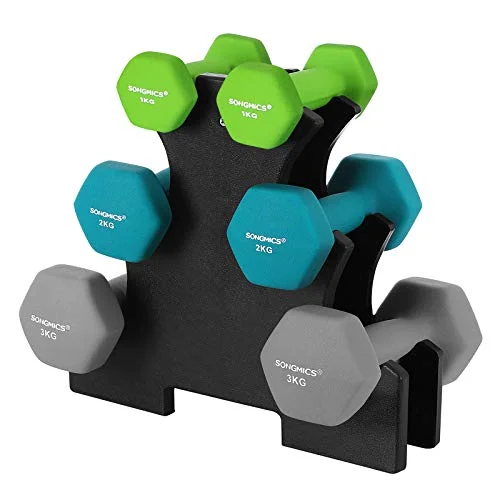
The decision to use free weights, machines, or a combination often depends on individual goals, experience levels, and availability. Free weight equipment, such as dumbbells, kettlebells, and barbells, is generally more compact. This makes them suitable for home use and offers greater versatility in a gym setting. The practical considerations of space and access can influence equipment choices. However, the unique benefits of free weights in fostering functional strength and muscular coordination are undeniable. Incorporating the 13 essential free weight movements can provide a comprehensive training experience.
Here is a concise comparison:
| Feature | Free Weights | Resistance Machines |
|---|---|---|
| Movement Path | Unrestricted, multi-planar | Fixed, single-plane |
| Muscle Engagement | Engages primary and stabilizing muscles | Primarily targets isolated muscles |
| Versatility | High; adaptable to many exercises | Lower; limited to machine's function |
| Functional Strength | Excellent; mimics real-life movements | Moderate; less transfer to daily activities |
| Space Requirement | Compact (e.g., dumbbells, kettlebells) | Large, fixed footprint |
| Learning Curve | Higher; requires more technique | Lower; guided movements |
Considerations Before Engaging in 13 Essential Free Weight Routines
While resistance training with free weights is widely accessible and beneficial, it is not universally suitable for everyone without modification. Certain conditions necessitate caution or professional guidance before commencing a free weight program. Prioritizing safety and long-term health over short-term gains is paramount when considering the 13 essential free weight exercises.
Physical Limitations and Pre-existing Conditions
Individuals with pre-existing back, neck, joint, or musculature issues must exercise extreme caution. These conditions can significantly restrict movement and increase injury risk. It is highly advisable to consult a movement specialist, such as a qualified personal trainer or a physiotherapist. They can accurately assess your body's capabilities and determine appropriate movements. A tailored approach ensures that free weight exercises are adapted to your specific physical needs, preventing exacerbation of existing issues.
Pregnancy and Postnatal Periods
During pregnancy and the postnatal phase, the body undergoes significant physiological changes. The types of free weight exercises performed must be carefully adjusted to accommodate these changes. It is absolutely essential to consult with your doctor and a pregnancy-certified personal trainer or fitness instructor. These professionals can provide guidance on safe and effective exercises. They will ensure the chosen free weight routines support maternal health without compromising the pregnancy or recovery.
Recovery from Injury, Surgery, or Illness
If you are recovering from an injury, operation, or significant illness, engaging in free weight exercises might be contraindicated for a period. Any form of exercise places stress on the body. If your body is already under stress from recovery, adding more can impede the healing process. Always seek medical advice from your doctor before resuming any exercise, including free weight training. They can advise on what activities are safe and when it is appropriate to reintroduce resistance exercises. This phased approach supports full recovery and prevents setbacks, making a return to the 13 essential free weight movements safer.
Preparing for Your Free Weight Session: Warm-Up Protocols
A proper warm-up is a critical component of any free weight training session. It significantly reduces the risk of injury and prepares your muscles and joints for the demands of the workout. A dynamic warm-up, specifically, primes the body effectively. This proactive approach ensures readiness for the 13 essential free weight movements.
A dynamic warm-up involves movements that mimic the exercises you are about to perform. This contrasts with static stretching, which can potentially destabilize cold muscles and is best reserved for post-workout cool-downs. For example, if your session includes heavy squats, your warm-up should incorporate bodyweight squats and lunges. These preparatory movements gradually increase heart rate, improve blood flow to muscles, and enhance joint mobility. This systematic preparation is key to maximizing performance and minimizing injury risk during your free weight exercises. For those needing to address specific joint concerns, exploring stretches for senior joint mobility calisthenics can provide valuable foundational movements.
Selecting the Appropriate Free Weights
Choosing the correct weight for your free weight exercises is highly individualized. It depends on various factors including your current fitness level, training history, and the specific goals of your workout. Selecting an appropriate weight is crucial for effective training and injury prevention. This applies to all 13 essential free weight exercises.
To determine the right weight for your workout, consider these five questions:
- Can you feel the weight? It should provide noticeable resistance.
- Can you complete the entire exercise with correct form? Form takes precedence over weight.
- Can you maintain correct form throughout every rep of a set? Consistency in form is vital.
- Can you complete all planned sets with this weight? It should be challenging but achievable.
- Do you feel adequately challenged by this weight? Progressive overload requires sufficient stimulus.
As exercises become easier, modify them to continue challenging your body. This can involve increasing the weight, adding more repetitions, adjusting the tempo, or tweaking the exercise variation. Dalton Wong, a celebrity personal trainer, emphasizes this principle: "Once the exercise gets easier, modify it. Your body likes the path of least resistance so once it's used to a plan, it's time to adapt it." Consistent adaptation is the cornerstone of progress in free weight training. For those looking to improve core stability, integrating stability ball exercises senior joint calisthenics can be a great way to enhance foundational strength.
Determining Your Starting Weight for 13 Essential Free Weight Movements
For individuals new to training with free weights, a conservative approach to weight selection is recommended. Begin with a light dumbbell that allows you to comfortably perform 12 to 15 repetitions with proper form. This rep range helps establish neurological pathways for movement and builds muscular endurance before increasing intensity. Gradually increasing the weight as strength improves is key to progressive overload. This methodical approach is particularly important when first attempting the 13 essential free weight exercises. Prioritizing form over heavy lifting prevents injury and builds a solid foundation for future strength gains.
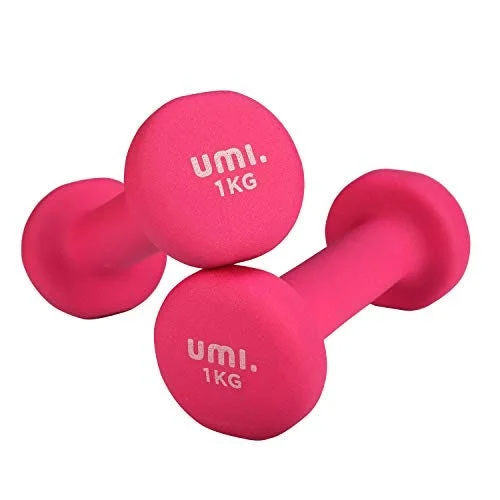
The 13 Essential Free Weight Exercises
These 13 essential free weight exercises, curated by Sarah Lindsay, PT and founder of Roar Fitness, are designed to sculpt and strengthen your entire body. They offer a comprehensive approach to resistance training, targeting key muscle groups for balanced development. You can incorporate all of them for a full-body workout or select 4-6 exercises to focus on specific muscle areas.
Foundational Movements: Enhancing Strength with 13 Essential Free Weight Drills
1. Single-Arm Row
Targets: Back, biceps
Execution: Perform 2 sets of 8-10 reps per side, with a 90-second rest between sides. Begin with your right hand and right knee on a bench or similar flat surface. Your left foot should be stepped out wide, holding a dumbbell in your left hand, hanging downwards. Maintain a neutral spine and a soft left knee. Drive your left elbow upwards, lifting the dumbbell towards your torso. Control the descent back to the starting position.
2. Dumbbell Chest Press
Targets: Chest, triceps
Execution: Complete 3 sets of 13-15 reps. Lie on your back on a bench, holding dumbbells with arms extended straight above your chest. Slowly bend your elbows, bringing the dumbbells in a straight line down to either side of your chest. Without pausing, powerfully drive your arms back up to the starting position. Repeat this controlled movement.
3. Split Squat
Targets: Quads, glutes, adductors
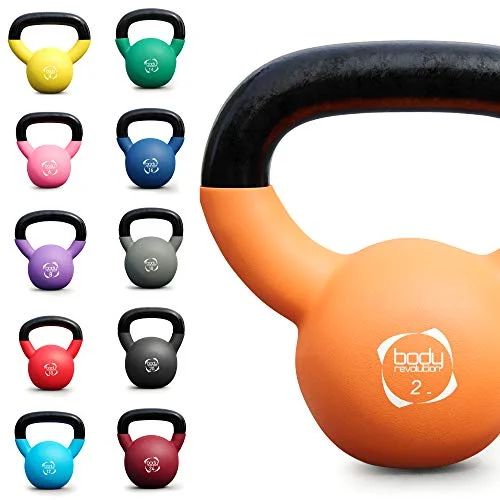
Execution: Perform 3 sets of 10-12 reps on each leg, starting with your weaker leg. Position one foot raised on a step or box, with your other leg a stride behind you, hips and feet facing forward. Hold dumbbells at your sides. Slowly lunge forward, ensuring your front knee stays aligned with your toes. Without stopping at the bottom, push back up to the start. Alternate legs after completing a set.
4. Seated Shoulder Press
Targets: Shoulders
Execution: Aim for 3 sets of 13-15 reps. If you can only manage 11, use a lighter weight. If you easily exceed 15, increase the weight. Sit upright on a bench with dumbbells held straight above your head. Slowly bend your elbows, lowering the dumbbells until they are in line with your shoulders. Without stopping, drive straight back up to the initial position.
5. Hip Thrust
Targets: Glutes
Execution: Perform 3 sets of 15-20 reps. A 20kg barbell with 5kg weights on each side is a good starting point. Sit on the floor with your back against a bench or step. Roll a dumbbell or barbell onto the front of your hips. With knees bent and shoulders on the bench, drive your hips off the floor until your back is parallel to the floor. Slowly lower your hips, then drive back up. Repeat this powerful glute contraction.
6. Dumbbell Deadlift
Targets: Back, hamstrings, glutes
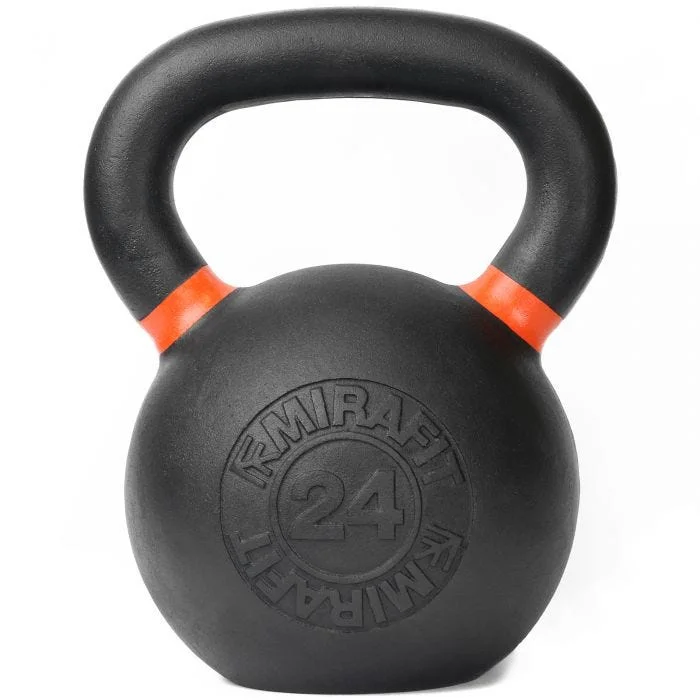
Execution: Complete 3 sets of 10-12 reps. Stand with feet flat on the floor, a dumbbell in each hand. Keeping your legs relatively straight, hinge at the hips to lower your weighted hands towards the floor, just below knee height. Engage your glutes and core as you stand straight again. Ensure a controlled movement throughout. This is one of the foundational 13 essential free weight exercises.
7. Step-Ups
Targets: Legs, glutes
Execution: Perform 3 sets of 10-12 reps on each leg. Start with your weaker leg on a step or box. Step onto it, with or without dumbbells in your hands. Without pausing at the top, lower back to the starting position. Keep your initial foot on the box and step straight back up on the same leg. Repeat for the set, then switch legs.
8. Seated Bicep Curls
Targets: Biceps
Execution: Complete 3 sets of 10 reps. Sit upright, holding dumbbells with arms by your sides, palms facing forward. Bend your arms at the elbow, keeping shoulders still, until the dumbbells nearly reach your shoulders. Slowly lower the dumbbells back down over 3-4 seconds. Avoid locking the elbow at the bottom of the movement.
9. Weighted Sit-Up
Targets: Abs
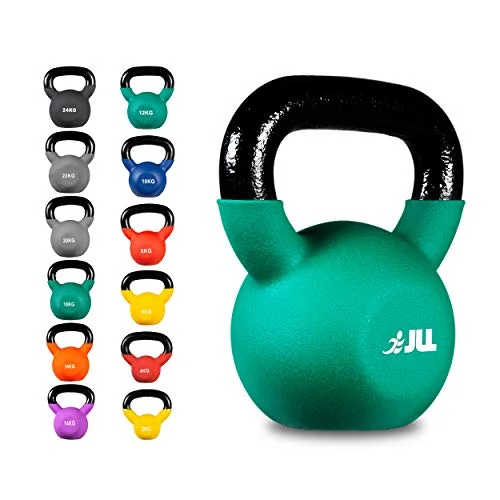
Execution: Perform 3 sets of 15-20 reps. Lie on a yoga mat, holding a dumbbell against your chest. Slowly lean back until your back is parallel to the floor. Curl all the way up ...Slowly lean back until your back is parallel to the floor. Engage your core as you slowly lift your torso back up to the starting position. Maintain control and avoid using momentum. This targets the entire abdominal region effectively.
10. Overhead Triceps Extension
Targets: Triceps
Execution: Perform 3 sets of 10-12 reps. Sit or stand holding one dumbbell with both hands, extending it directly overhead. Keeping your elbows close to your head and pointing forward, slowly lower the dumbbell behind your head by bending your elbows. Extend your arms to raise the dumbbell back to the starting position, feeling the contraction in your triceps. Ensure your upper arms remain stationary throughout the movement.
11. Dumbbell Shrugs
Targets: Trapezius (traps)
Execution: Complete 3 sets of 12-15 reps. Stand tall with a dumbbell in each hand, arms extended by your sides, palms facing your body. Keeping your arms straight, elevate your shoulders towards your ears as high as possible. Hold the contraction briefly at the top, then slowly lower your shoulders back to the starting position. Avoid rolling your shoulders; the movement should be straight up and down.
12. Russian Twists
Targets: Obliques, core
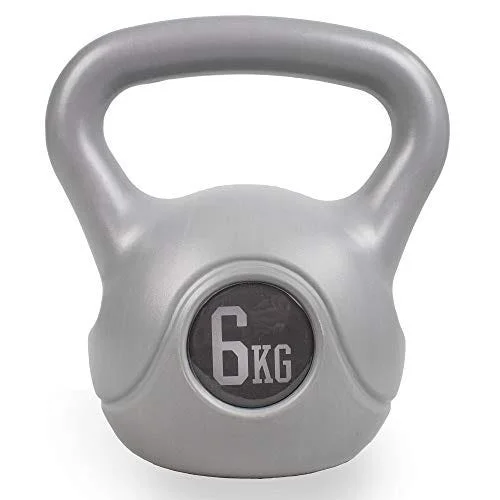
Execution: Perform 3 sets of 15-20 twists per side. Sit on the floor with your knees bent and feet flat, holding one dumbbell with both hands in front of your chest. Lean back slightly, engaging your core, until your torso is at about a 45-degree angle to the floor. Lift your feet slightly off the floor if comfortable. Twist your torso to one side, bringing the dumbbell towards the floor next to your hip. Return to the center and twist to the other side. Maintain a controlled movement, focusing on the rotation from your core.
13. Farmer's Walk
Targets: Full body, grip strength, core stability
Execution: Perform 3 sets, walking for 30-60 seconds or a set distance. Select two heavy dumbbells, one for each hand. Stand tall with good posture, shoulders back, and core engaged. Lift the dumbbells and walk steadily, maintaining an upright position. Keep your steps even and avoid leaning to one side. Focus on controlled breathing and a strong, stable core throughout the walk. This exercise is excellent for building overall functional strength and endurance.
Mastering Proper Form and Technique
Beyond simply understanding the execution steps, truly mastering free weight exercises hinges on impeccable form. Even minor deviations can compromise effectiveness, increase injury risk, or shift the focus away from the intended muscle groups. Paying close attention to the nuances of each movement is paramount for long-term progress and safety.
The Importance of Mind-Muscle Connection
One of the most powerful tools in free weight training is the mind-muscle connection. This involves actively focusing your attention on the muscles you are trying to work during each repetition. Rather than just moving the weight from point A to point B, consciously squeeze and contract the target muscle. For example, during a bicep curl, don't just lift the dumbbell; feel your bicep shortening and contracting. This enhances muscle activation and can lead to more effective training outcomes.
Controlling the Movement (Tempo)
The speed at which you perform each phase of an exercise, known as tempo, significantly impacts its effectiveness. A common and highly effective tempo involves a controlled eccentric (lowering) phase, a brief pause, and an explosive but controlled concentric (lifting) phase. For instance, in a dumbbell squat, aim for a 2-3 second descent, a momentary pause at the bottom, and a 1-2 second ascent. Avoiding jerky movements and relying on momentum ensures your muscles are doing the work, not gravity or inertia.
Breathing Techniques for Optimal Performance
Proper breathing is often overlooked but plays a critical role in supporting your lifts and maintaining core stability. A general rule of thumb is to exhale during the concentric (lifting or most strenuous) phase of the exercise and inhale during the eccentric (lowering or less strenuous) phase. For example, when performing a dumbbell bench press, inhale as you lower the weights to your chest, and exhale forcefully as you press them back up. This technique helps to stabilize the spine and provide power.
Core Engagement in Every Movement
Your core muscles (abdominals, obliques, lower back) are the foundation of almost every free weight exercise. Engaging your core means bracing your abdominal muscles as if preparing for a punch, not just sucking in your stomach. This creates a stable platform for your limbs to move from, protects your spine, and transfers force more efficiently. Consciously engage your core during squats, presses, rows, and even isolation movements to enhance stability and prevent injury.
By consistently applying these fundamental principles of proper breathing and core engagement, alongside correct form for each exercise, you lay a robust foundation for your free weight journey. This meticulous attention to detail not only safeguards your body from potential strain but also significantly amplifies your strength gains and overall performance. Remember, mastery of free weights isn't just about lifting heavier; it's about lifting smarter, safer, and with greater control. Embrace the process of refining your technique, listen to your body, and watch as your commitment translates into sustainable progress and a more resilient, powerful physique.


