
One of the most common and frustrating setbacks for budding trail enthusiasts is the ankle sprain. It’s a rite of passage many wish to avoid, and understanding how to proactively address this risk is paramount. My goal here is to help you truly comprehend the mechanics and preventative measures to stop ankle sprains new trail runner, making your transition to the trails as smooth and injury-free as possible.
- •Understanding the Trail: Why Ankle Sprains Happen and How to Stop Ankle Sprains New Trail Runner
- •The Right Tools for the Job: Footwear and Gear Choices
- •Mastering Trail Technique: How to Run Smarter
- •The Mental Game: Patience, Awareness, and Humility
- •Recovery and Listening to Your Body
- •Navigating Specific Trail Challenges
- •FAQs to Stop Ankle Sprains New Trail Runner
- ◦Should I wear an ankle brace when starting trail running?
- ◦How often should I do ankle strengthening exercises?
- ◦What type of trails should a new runner start on to minimize sprain risk?
- ◦Can running too fast increase my risk of ankle sprains?
It’s not just about wearing the right shoes, though that certainly plays a part. It's about a holistic approach that encompasses everything from how you train your body to how you perceive and react to the ground beneath your feet. The trail demands a different kind of attentiveness, a subtle dance between balance and momentum that tarmac never asks for. Ignoring these fundamental differences can quickly lead to a twisted ankle, sidelining you just as you’re starting to fall in love with the sport. Let's delve into the layers of preparation, technique, and awareness that can safeguard your ankles and keep you enjoying the wild paths.
Understanding the Trail: Why Ankle Sprains Happen and How to Stop Ankle Sprains New Trail Runner
Trail running isn't just road running with a different view; it's a fundamentally different discipline that requires a distinct approach to movement and awareness. For new trail runners, the transition can be jarring. The ground is rarely flat, often littered with roots, rocks, loose gravel, and sudden drops or climbs.
This inherent unpredictability is precisely what makes trail running so engaging, but it's also the primary culprit behind ankle sprains. When your foot lands on an uneven surface, or rolls off the side of a rock, your ankle joint can be forced beyond its normal range of motion, stretching or tearing the ligaments that hold it together. This sudden, uncontrolled movement is often due to a combination of factors: insufficient ankle strength, poor proprioception (your body's sense of its position in space), inadequate reaction time, or simply a momentary lapse in focus.
Think about it: on a road, your brain can largely automate foot placement. You know what's coming. On a trail, every step is a micro-decision. Your eyes need to scan several feet ahead, your brain needs to process the terrain, and your muscles need to respond instantly to adjust your foot strike. When you're new to this, that processing speed and muscular response might not be up to par. Fatigue also plays a significant role; as you tire, your form can degrade, your concentration wavers, and your muscles become less responsive, increasing the risk of a misstep. Learning to anticipate and react to the trail is a skill developed over time, but there are foundational steps you can take right from the start to mitigate these risks and truly begin to stop ankle sprains new trail runner.
Building a Foundation: Strengthening and Proprioception to Stop Ankle Sprains New Trail Runner
Before you even hit the trails, or certainly as you begin, dedicating time to specific strength and balance exercises is non-negotiable if you want to stop ankle sprains new trail runner. Your ankles aren't just passive hinges; they're complex joints supported by an intricate network of muscles, tendons, and ligaments. Strengthening these surrounding structures provides a more robust defense against the forces encountered on uneven ground. But it's not just about brute strength; it's about intelligent strength and responsiveness.
Ankle Strengthening: Focus on exercises that target the muscles around your ankle. Calf raises, both straight-leg and bent-knee variations, are excellent for strengthening the gastrocnemius and soleus muscles, which play a key role in ankle stability. Dorsiflexion and plantarflexion exercises, where you flex your foot up and point it down against resistance (like a resistance band), help build strength in the front and back of your lower leg. Eversion and inversion exercises, where you move your foot side-to-side against resistance, are crucial for strengthening the peroneal muscles that run along the outside of your shin—these are often key in preventing the ankle from rolling outwards, the most common type of sprain.
Proprioception and Balance Training: This is arguably even more vital for trail runner injury risk">beginner trail runners">trail runners than pure strength. Proprioception is your body's unconscious awareness of its position and movement in space. When you step on a wobbly rock, your proprioceptors send signals to your brain, which then tells your muscles to react and stabilize your ankle. The better your proprioception, the faster and more accurately your body can respond. Simple exercises can make a huge difference:
- Single-Leg Stand: Start by simply standing on one leg for 30-60 seconds. As you get better, try closing your eyes. This removes visual cues and forces your proprioceptors to work harder.
- Wobble Board or Balance Disc: Standing on an unstable surface challenges your ankle stabilizers immensely. Start with two feet, then progress to one. Practice controlled movements, like small squats or reaching out with your free leg.
- Heel-to-Toe Walk: Walking in a straight line with the heel of one foot touching the toe of the other. This improves balance and coordination.
- Dynamic Balance Drills: Incorporate exercises that mimic trail movements, such as jumping side-to-side or forward-backward on one leg, focusing on a soft, controlled landing.
Consistency is key here. Incorporate these exercises into your routine 2-3 times a week. It won't be long before you notice a significant improvement in your confidence and stability on the trails, making it much easier to stop ankle sprains new trail runner.
The Right Tools for the Job: Footwear and Gear Choices
While no shoe can completely prevent an ankle sprain, choosing the right footwear can certainly reduce the risk and provide a crucial layer of protection. This isn't about finding the "best" shoe overall, but the best shoe for you and the type of trails you'll be running on. For a new trail runner, this decision can feel overwhelming with the myriad of options available.
Trail Running Shoes vs. Road Shoes: The most fundamental distinction is obvious, but often overlooked by beginners. Road shoes are designed for smooth, predictable surfaces. They prioritize cushioning and flexibility. Trail shoes, on the other hand, are built with features specifically for off-road conditions:
- Aggressive Outsole Lugs: These are the deep, grippy patterns on the bottom of the shoe. They provide traction on loose dirt, mud, and wet rocks, preventing slips that can lead to ankle twists. The depth and pattern of lugs vary; deeper, more widely spaced lugs are better for very muddy or soft terrain, while shallower, closer-set lugs are better for hard-packed trails with small rocks.
- Protective Overlays and Toe Caps: Trail shoes often have reinforced uppers and rubberized toe caps to protect your feet from impacts with rocks and roots. This isn't directly for ankle sprains, but preventing stubbed toes can help maintain your gait and focus.
- Rock Plates: Many trail shoes incorporate a flexible plate in the midsole to protect your foot from sharp rocks and other trail debris. This helps maintain a stable foot platform.
- Midsole Firmness and Stability: While cushioning is still important, trail shoes often have a firmer, more stable midsole compared to road shoes. This provides a more predictable platform on uneven ground, reducing the likelihood of your foot rolling excessively.
Ankle Support: High-Tops vs. Low-Tops: This is a common point of discussion. Many new trail runners assume that high-top trail shoes or boots offer superior ankle support and are therefore better for preventing sprains. While it's true that some high-top designs can offer a degree of external support, they often come with trade-offs. High-tops can restrict natural ankle movement, which can actually weaken the ankle over time by reducing the work its stabilizing muscles have to do. Furthermore, the added bulk can sometimes make you less agile and less aware of the ground, potentially increasing the risk of a stumble.
Most experienced trail runners opt for low-cut trail shoes. The focus is on strengthening your internal ankle support through training, rather than relying solely on external support from a shoe. For new runners, a well-fitting low-cut trail shoe with good ground feel and protection is generally recommended, allowing your ankles to develop their natural strength and proprioception. However, if you have a history of severe ankle instability, consulting a professional about specific bracing or shoe types might be wise.
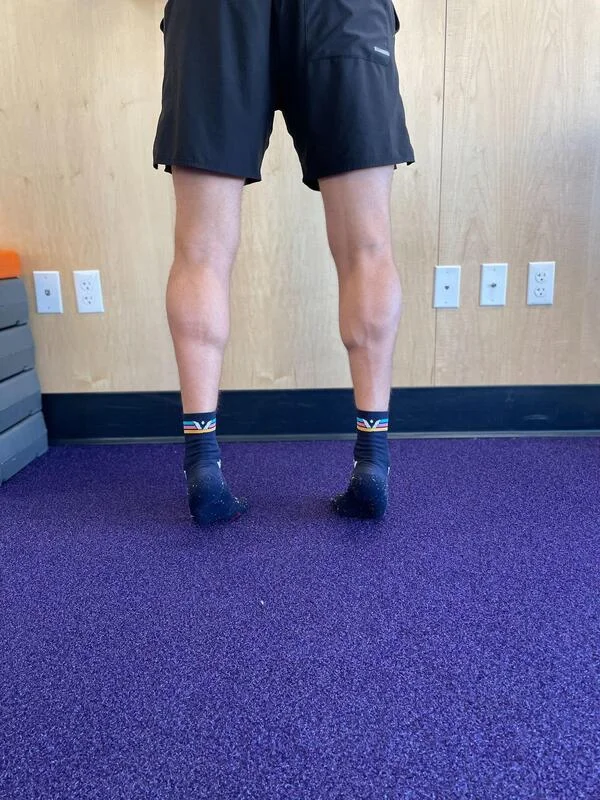
Lacing Technique: Don't underestimate the power of proper lacing. A secure fit prevents your foot from sliding around inside the shoe, which can lead to blisters and instability. Experiment with different lacing patterns. Some runners find skipping an eyelet or using a "runner's knot" at the top can create a more secure fit around the ankle without being overly restrictive. The goal is snugness without tightness that cuts off circulation.
Other Gear Considerations:
- Socks: Moisture-wicking socks are crucial to prevent blisters, which can alter your gait and focus.
- Gaiters: Small fabric covers that attach to your shoes to prevent debris (pebbles, sand, twigs) from entering your shoes. While not directly preventing sprains, they prevent distractions and discomfort that can lead to missteps.
- Trekking Poles: For very technical or steep terrain, especially descents, trekking poles can offer additional points of contact and stability. They can help offload stress from your knees and ankles, providing balance when navigating tricky sections. This is particularly useful for new trail runners on challenging routes.
Investing in the right gear is an investment in your safety and enjoyment. Don't skimp on quality, especially for your shoes. A good pair of trail running shoes is your primary interface with the unpredictable terrain, helping you to stop ankle sprains new trail runner by providing grip and a stable platform.
Mastering Trail Technique: How to Run Smarter
Once you have a strong foundation and appropriate gear, the next crucial step to stop ankle sprains new trail runner lies in adapting your running technique to the unique demands of the trail. This is where the artistry of trail running truly comes alive—it's less about raw speed and more about finesse, adaptability, and constant awareness.
Look Ahead, Not Down: This is perhaps the single most important piece of advice for new trail runners. Resist the urge to stare at your feet. Instead, train your eyes to scan 5-10 feet (or even more) ahead of you. This gives your brain time to process the upcoming terrain—roots, rocks, dips, changes in grade—and allows your body to prepare and adjust your foot placement proactively. When you only look at your feet, you're constantly reacting to what's already underfoot, leaving no time for anticipation. It's like driving a car by looking only at the bumper; you'll hit every pothole.
Short, Quick Steps (High Cadence): On technical trails, a higher cadence (more steps per minute) with shorter strides is generally safer and more efficient. Shorter strides keep your feet closer to your center of gravity, improving balance. If you do misstep, a shorter stride means less momentum is involved, making it easier to correct your balance and less likely to result in a severe roll. It also allows for more frequent micro-adjustments to foot placement as the terrain changes rapidly. Think of it as "light feet" dancing over the terrain rather than stomping through it.
Lift Your Feet: This might sound obvious, but many road runners tend to shuffle or scuff their feet. On a trail, this is a recipe for disaster. You need to actively lift your feet high enough to clear roots and rocks. Practice a slightly higher knee lift and ensure your feet are clearing obstacles. This also encourages a more midfoot strike, which can be more stable on uneven surfaces than a heavy heel strike.
Use Your Arms for Balance: Your arms are not just for propulsion; they are crucial for balance, especially on technical terrain. Let your arms swing naturally and freely, using them to counteract rotational forces and maintain equilibrium as you navigate obstacles. On particularly tricky sections, you might even splay them out wider, like a tightrope walker, for added stability.
Adapt to the Terrain: There's no single "correct" way to run a trail. You need to be fluid and adaptable.
- Uphills: Shorten your stride even further, lean slightly into the hill, and use your arms to drive. Sometimes, a power hike (walking briskly) is more efficient and safer than trying to run, especially on steep, technical climbs.
- Downhills: This is often where sprains occur. Resist the urge to lean back and brake with your heels. Instead, lean slightly forward, relax your body, and let gravity assist you. Use short, quick steps, almost like a controlled fall. Keep your eyes scanning far ahead to pick your lines. If it's very steep and technical, don't be afraid to walk, or even crab-walk sideways.
- Technical Sections: Slow down. There's no shame in walking through a rock garden or a particularly root-strewn section. Focus on precise foot placement. Pick your line carefully, looking for the most stable path. Sometimes it's better to step on a large, stable rock than around it into uncertain footing.
Practice Conscious Foot Placement: Actively think about where you're placing your foot. Aim for the center of rocks, stable patches of dirt, or the flat tops of roots. Avoid landing on the edges of rocks, loose gravel, or slippery mud whenever possible. This takes practice and a lot of focused attention, but it builds the neural pathways that eventually make it second nature to stop ankle sprains new trail runner.
The Mental Game: Patience, Awareness, and Humility
Trail running isn't just a physical challenge; it's a mental one. For new trail runners, cultivating the right mindset is just as important as physical preparation when it comes to preventing injuries, especially ankle sprains. The trail demands respect, patience, and a healthy dose of humility.

Patience is a Virtue: You're not going to be flying down technical descents like seasoned pros on your first few runs. And that's perfectly okay. Start slow. Choose less technical trails initially. Focus on developing your technique, building your ankle strength, and improving your trail vision before you push for speed or distance. Trying to do too much too soon is a common trap that leads to injury. Give your body and mind time to adapt to this new environment.
Heightened Awareness: This goes beyond just looking ahead. It's about being fully present in the moment. Disconnect from distractions. Turn off the music sometimes, or at least keep the volume low enough to hear your surroundings. Feel the ground through your feet. Listen to the subtle cues your body sends. This deep level of awareness allows you to react more instinctively and avoid potential hazards that a distracted mind might miss.
Humility on the Trail: The trail can be unforgiving. There will be times when you stumble, trip, or simply have to walk. Embrace it. Don't let ego push you into situations your skill level isn't ready for. If a section looks too risky, walk it. If you're feeling fatigued, slow down or turn back. It's always better to finish a run safely than to push too hard and end up with an injury. Understanding your limits and respecting the trail's challenges are hallmarks of a smart, sustainable trail runner.
Embrace the Learning Curve: Every run is an opportunity to learn. Pay attention to what causes you to stumble or feel unstable. Was it a particular type of terrain? A moment of distraction? Reflect on your runs and identify areas for improvement. This continuous learning process will make you a more resilient and capable trail runner over time. The goal is not just to avoid injury, but to build a robust, intuitive sense for trail running that makes those ankle rolls a distant memory.
Recovery and Listening to Your Body
Even with the best preparation and technique, trail running still places unique stresses on your body. Recovery is not just about healing from injuries; it's about preventing them in the first place, especially if you want to stop ankle sprains new trail runner. For new trail runners, who might be pushing their bodies in new ways, paying attention to recovery is paramount.
Active Recovery and Stretching: Don't just collapse on the couch after a run. Incorporate light active recovery, like a short walk, and gentle stretching, particularly for your calves, hamstrings, and ankles. Dynamic stretches before a run help warm up your muscles and joints, while static stretches after a run can improve flexibility and aid in muscle recovery. Focus on ankle circles, alphabet exercises with your foot, and calf stretches against a wall.
Rest Days: Your body needs time to repair and rebuild. Don't underestimate the power of rest days. For new runners, running trails 2-3 times a week with rest days in between is a good starting point. Pushing through constant fatigue not only increases your risk of injury but also diminishes the enjoyment of your runs.
Listen to Your Body's Signals: This is perhaps the most crucial recovery advice. Pay attention to any persistent aches, pains, or unusual sensations. A little muscle soreness is normal, but sharp pain, persistent tenderness, or swelling around your ankle should not be ignored. Don't try to "run through" pain, especially in your ankles. If you feel a twinge or a near-roll, take it as a warning sign. Slow down, walk, or even cut your run short. Pushing through an early warning sign can turn a minor issue into a significant injury.
If you experience an ankle sprain, even a minor one, it's essential to allow adequate time for healing before returning to the trails. Rushing back too soon is a primary reason for re-injury. Consult with a medical professional or physical therapist for guidance on recovery protocols, rehabilitation exercises, and when it’s safe to resume running. They can help you implement targeted strategies to further strengthen your ankle and prevent future occurrences, truly helping you to stop ankle sprains new trail runner for good.
Navigating Specific Trail Challenges
While the general principles apply across all trails, some specific challenges warrant extra attention for the new trail runner aiming to avoid ankle injuries.
Roots and Rocks: These are the quintessential trail obstacles. Instead of trying to avoid every single one, learn to interact with them. For roots, step over them cleanly. For rocks, especially larger, stable ones, it's often better to step on them rather than trying to navigate around them into potentially looser terrain. Aim for the center of the rock where it's most stable. Smaller, loose rocks are best avoided or stepped over quickly with light feet. Always check for moss or wetness, which can make any surface treacherous.

Water Crossings and Mud: Wet conditions significantly increase the risk of slipping. When encountering streams or muddy patches, slow down. Look for the most stable path – often this means finding flatter, wider rocks to step on, or shallow areas in the water. If the mud is deep, try to step through it decisively rather than sliding. Your trail shoes' lugs will be your best friend here, but even they have limits. If in doubt, walk carefully. Sometimes, it's better to get your feet wet than to risk a fall.
Technical Descents: As mentioned, downhills are high-risk zones. Beyond leaning forward and taking short steps, practice "soft landings." Land lightly on your midfoot, allowing your knees and ankles to act as natural shock absorbers. Avoid stiff-legged landings. If the descent is very steep, consider using a controlled traverse (running diagonally across the slope) to manage speed and distribute impact, but be mindful of others on the trail. This is where trekking poles can also be incredibly helpful for added stability and braking.
Night Running and Low Visibility: If you venture out in low light or at night, the risk of ankle sprains skyrockets for obvious reasons. A good headlamp is essential, but even with the best light, shadows and reduced depth perception make it harder to see obstacles. Stick to familiar, less technical trails in these conditions. Slow your pace dramatically and increase your focus. Every step needs to be deliberate. This is not the time to push your limits, especially as a new trail runner.
By consciously addressing these specific trail challenges, you build a repertoire of skills and a heightened sense of awareness that will serve you well in preventing injuries. It’s about becoming a more versatile and intelligent runner, not just a faster one. With each run, you'll develop a deeper understanding of how your body moves over varied terrain and how to proactively stop ankle sprains new trail runner.
FAQs to Stop Ankle Sprains New Trail Runner
What's the single most important thing a new trail runner can do to stop ankle sprains?
The single most important thing is to consistently practice ankle strengthening and proprioception exercises. While proper shoes and technique are vital, a strong, responsive ankle is your best internal defense against the unpredictable nature of the trail. This foundation allows your body to react quickly and effectively when faced with uneven terrain, significantly reducing your risk.
Should I wear an ankle brace when starting trail running?
Generally, for a new trail runner without a history of ankle injuries, it's better to focus on strengthening your ankles naturally rather than relying on a brace. Braces can sometimes weaken the muscles over time by doing the work your body should be doing. However, if you have a history of chronic ankle instability or a very recent sprain, consult with a physical therapist or doctor. They might recommend a brace temporarily as part of a rehabilitation plan, but the long-term goal should still be to build intrinsic ankle strength.
How often should I do ankle strengthening exercises?
Aim for 2-3 times per week. Consistency is more important than intensity. Incorporating a variety of exercises that target different ankle muscles and balance, such as calf raises, resistance band work, and single-leg stands, will yield the best results. Make it a regular part of your training routine, not just something you do once in a while.
What type of trails should a new runner start on to minimize sprain risk?
Begin with less technical trails. Look for paths that are relatively smooth, wide, and have gentle grades. Avoid trails with extensive rock gardens, root-strewn sections, or steep, loose descents in your initial runs. As your ankle strength, proprioception, and trail technique improve, you can gradually progress to more challenging terrain. This gradual progression is key to building confidence and competence.
Can running too fast increase my risk of ankle sprains?
Yes, absolutely. For new trail runners, trying to maintain a fast pace on unfamiliar or technical terrain significantly increases the risk of ankle sprains. Speed reduces your reaction time, makes it harder to pick precise foot placements, and amplifies the forces involved in a misstep. Prioritize control, awareness, and good technique over speed, especially when starting out. You'll naturally get faster as your skills develop.
The journey into trail running is incredibly rewarding, offering a unique blend of physical challenge and mental tranquility. But like any new endeavor, it comes with a learning curve and inherent risks. By taking a proactive, thoughtful approach to your training, equipment, and technique, you can significantly reduce the likelihood of ankle sprains. Remember, it's not about being fearless, but about being prepared and aware. Embrace the process, listen to your body, and enjoy the wild beauty of the trails, knowing you've taken the necessary steps to stop ankle sprains new trail runner, ensuring a long and healthy running adventure.