However, with the joys of the trail come unique challenges, especially for those just starting out. One common, often debilitating, issue that can quickly sideline a budding trail runner is plantar fasciitis. This condition, characterized by sharp heel pain, can turn a beloved new hobby into a source of frustration. Understanding how to proactively address this risk is paramount, and this article will delve deeply into plantar fasciitis prevention for beginner trail runners, offering insights and actionable strategies to keep you moving comfortably on the trails.
- •Understanding the Demands of the Trail and Plantar Fasciitis Prevention for Beginner Trail Runners
- •Gradual Progression: The Cornerstone of Injury Prevention
- ◦The Art of Listening to Your Body and When to Rest
- •Strengthening and Flexibility: Building Resilient Feet and Ankles
- •Recovery and Self-Care: Essential for Longevity on the Trails
- ◦The Role of Massage and Self-Myofascial Release
- •Common Misconceptions and Nuances in Plantar Fasciitis Prevention
- ◦The Importance of Variety and Cross-Training
- •FAQ: Addressing Common Questions about Plantar Fasciitis Prevention for Beginner Trail Runners
- ◦Can simply stretching my calves be enough to prevent plantar fasciitis?
- ◦How do I know if my heel pain is just soreness or actual plantar fasciitis?
- ◦Is it okay to run through mild heel pain as a beginner?
The transition from road running, or even no running at all, to the dynamic and often unforgiving surfaces of trails places different demands on the feet, ankles, and lower legs. Beginners, eager to embrace their new passion, sometimes push too hard, too fast, overlooking the critical preparatory steps that can safeguard their musculoskeletal health. It's not just about buying a pair of trail shoes; it's about a holistic approach to training, recovery, and body awareness that forms the bedrock of sustainable trail running. Our focus here is not to scare you away from the trails, but to empower you with the knowledge needed to enjoy them for years to come, free from the shadow of heel pain.
Preventing plantar fasciitis isn't a complex secret; rather, it's a consistent application of sensible principles. For those new to the uneven ground, roots, and rocks, the repetitive micro-trauma and increased strain on the plantar fascia can quickly lead to inflammation and pain. By understanding the biomechanics involved and implementing targeted preventive measures, beginner trail runners can significantly reduce their risk. This isn't about quick fixes; it's about building resilient feet and a smart training regimen from the ground up.
Understanding the Demands of the Trail and Plantar Fasciitis Prevention for Beginner Trail Runners
Trail running isn't just road running with a different view; it's a fundamentally different activity that engages your body in unique ways. The uneven surfaces demand constant micro-adjustments from your feet and ankles, engaging smaller stabilizing muscles that might be dormant during road running. Every step on a root, a rock, or an incline requires more effort and places varying stresses on your arch and heel. This constant variability, while excellent for building overall strength and proprioception, can also be a significant contributor to overuse injuries if not approached thoughtfully, especially when considering plantar fasciitis prevention for beginner trail runners.
The plantar fascia itself is a thick band of tissue running along the bottom of your foot, connecting your heel bone to your toes. It acts like a shock absorber and supports the arch of your foot. When this tissue becomes inflamed, typically at its attachment point on the heel, you experience plantar fasciitis. For beginner trail runners, several factors converge to increase the risk: unconditioned feet, rapid increase in mileage or intensity, inappropriate footwear, and insufficient recovery. The unpredictable nature of trails means your fascia is constantly being stretched and compressed in different ways, which can lead to micro-tears if not properly prepared for the load. A holistic approach is essential to mitigate these risks and ensure your trail adventures remain joyful.
The Foundational Role of Footwear in Plantar Fasciitis Prevention for Beginner Trail Runners
Choosing the right footwear is perhaps one of the most immediate and impactful steps a beginner trail runner can take towards preventing plantar fasciitis. It's not just about aesthetics or brand loyalty; it's about finding shoes that provide adequate support, cushioning, and protection tailored to your foot type and the trails you'll be tackling. A common mistake is simply using old road running shoes, which often lack the necessary stability, grip, and underfoot protection required for technical terrain. This oversight can quickly lead to foot fatigue and strain on the plantar fascia.
When selecting trail shoes, consider several key features. First, look for good arch support. While individual needs vary, a shoe that adequately supports your arch can reduce the strain on the plantar fascia. Second, cushioning is vital. Trails are unforgiving, and sufficient cushioning helps absorb impact, protecting your heels. However, too much cushioning can sometimes reduce ground feel and stability, so it's a balance. Third, a secure fit around the midfoot and heel is crucial to prevent your foot from sliding around, which can cause friction and instability.
Finally, consider the outsole. Trail shoes feature aggressive lugs for grip, but also a rock plate or durable midsole material to shield your foot from sharp objects, preventing localized pressure points that can aggravate the fascia. Visiting a specialized running store where experts can analyze your gait and recommend appropriate shoes for your foot strike and arch type is highly recommended. Don't be afraid to try on multiple pairs and even walk or jog a bit in them in the store to get a feel for their support and comfort. Remember, the goal here is long-term comfort and injury avoidance.
Gradual Progression: The Cornerstone of Injury Prevention
One of the most common pitfalls for enthusiastic beginner trail runners is doing too much, too soon. The excitement of exploring new paths can easily lead to overexertion, which is a prime catalyst for overuse injuries like plantar fasciitis. The human body, including the complex structures of the foot, adapts to stress over time, but this adaptation is a slow process. Ignoring this biological reality is a direct path to pain and forced rest. Therefore, a gradual progression in your training volume and intensity is not merely advisable; it is absolutely essential for plantar fasciitis prevention for beginner trail runners.
Think of training as a conversation with your body. You introduce new stresses, and your body responds by getting stronger. If you shout at it with too much stress, it will shut down. For trail running, this means starting with shorter distances on less technical trails. If you're new to running entirely, begin with a walk-run program.
If you're transitioning from road running, reduce your typical mileage by 20-30% initially when you switch to trails, as the effort required is generally higher. Slowly increase your distance or time on the trails by no more than 10% each week. This seemingly conservative approach allows your muscles, tendons, and fascia to gradually adapt to the new demands. It also provides time for your body to build the necessary strength and stability in the smaller, often overlooked, muscles of your feet and ankles.
The Art of Listening to Your Body and When to Rest
Beyond structured progression, learning to interpret your body's signals is a critical skill for any runner, but especially for beginners tackling trails. Pain is not just an inconvenience; it's a message. For a beginner trail runner, distinguishing between muscle fatigue and the early warning signs of injury, such as the persistent ache of the plantar fascia, is vital. Ignoring these early whispers can quickly lead to a full-blown scream from your body.
If you feel a persistent ache in your heel or arch, especially first thing in the morning or after a period of rest, it's a red flag. This isn't just "part of training." It's your body indicating that the plantar fascia is being overloaded. When these symptoms arise, it's crucial to back off. This might mean reducing your mileage, opting for flatter, less technical trails, or taking a few days completely off from running.
Cross-training with low-impact activities like swimming or cycling can maintain cardiovascular fitness without stressing the feet. Active recovery, such as gentle stretching and foam rolling, can also be beneficial. Pushing through pain, particularly heel pain, rarely leads to a good outcome and can turn a minor irritation into a chronic condition, severely impeding your journey in trail running. Early intervention and mindful rest are powerful tools in preventing plantar fasciitis from becoming a major issue.
Strengthening and Flexibility: Building Resilient Feet and Ankles
While proper footwear and gradual progression are fundamental, they are only part of the equation for comprehensive plantar fasciitis prevention for beginner trail runners. To truly safeguard your feet, you need to actively build their strength and flexibility. The feet are complex structures, and like any other part of your body, they benefit immensely from targeted exercises that enhance their resilience and range of motion. Stronger intrinsic foot muscles and flexible calf muscles can significantly reduce the strain placed on the plantar fascia during the dynamic movements of trail running.
Consider the calf muscles: the gastrocnemius and soleus. Tight calf muscles are a well-known contributor to plantar fasciitis because they limit ankle dorsiflexion, forcing the plantar fascia to take on more strain. Regular stretching of these muscles, both before and after runs, is non-negotiable. Wall stretches, stair stretches (dropping your heel below the step), and using a foam roller or massage gun on your calves can make a significant difference. Hold stretches for at least 30 seconds, and avoid bouncing. Consistency is key here; a few minutes each day can yield substantial long-term benefits.
Targeted Foot and Ankle Strengthening Exercises for Plantar Fasciitis Prevention for Beginner Trail Runners
Beyond calf flexibility, strengthening the muscles within your feet and around your ankles is crucial. These are the muscles that provide stability on uneven terrain and help support your arch. Many of these exercises can be done at home with minimal equipment.
- Toe Curls: Place a towel flat on the floor. While seated, use your toes to scrunch the towel towards you. Repeat 10-15 times per foot. This strengthens the intrinsic muscles of the arch.
- Marble Pick-Ups: Place marbles or small objects on the floor. Use your toes to pick them up and place them into a cup. This is another excellent exercise for foot muscle dexterity and strength.
- Calf Raises: Stand with your feet flat on the ground. Slowly lift onto the balls of your feet, holding for a moment at the top, then slowly lower. Perform 2-3 sets of 10-15 repetitions. As you get stronger, progress to single-leg calf raises.
- Ankle Circles: While seated or lying down, rotate your ankle in slow, controlled circles in both clockwise and counter-clockwise directions. This improves ankle mobility and strengthens surrounding ligaments.
- Foot Arch Raises: While standing, try to lift the arch of your foot without curling your toes. Imagine shortening your foot. This engages the deep arch muscles. Hold for a few seconds, relax, and repeat.
Incorporating these exercises into your routine 2-3 times a week can dramatically improve the resilience of your feet and ankles, making them far better equipped to handle the demands of the trail. This proactive strengthening is a powerful strategy for plantar fasciitis prevention for beginner trail runners, building a robust foundation from the ground up.
Recovery and Self-Care: Essential for Longevity on the Trails
In the enthusiasm of starting a new sport, beginner trail runners often focus intently on the training itself, sometimes overlooking the equally critical component of recovery. Your body doesn't get stronger during the run; it gets stronger during the rest periods that follow. Adequate recovery allows tissues to repair, adapt, and become more resilient. Neglecting recovery is a fast track to overuse injuries, including plantar fasciitis. This isn't just about taking days off; it's about active strategies that support your body's healing processes.

One simple yet effective recovery tool is icing. If you feel any tenderness in your heel or arch after a run, applying ice can help reduce inflammation. A common and highly recommended technique for the plantar fascia is to freeze a small water bottle and roll your foot over it for 10-15 minutes. This provides both cold therapy and a gentle massage, targeting the inflamed area. This can be particularly soothing after a challenging run or if you feel the early twinges of discomfort.
Another often-underestimated aspect of recovery is proper nutrition and hydration. Your body needs adequate fuel and fluids to repair tissue and replenish energy stores. Ensure you're consuming a balanced diet rich in proteins, healthy fats, and complex carbohydrates, and drinking plenty of water throughout the day. These foundational elements support overall health and play a crucial role in injury prevention and recovery, making them integral to plantar fasciitis prevention for beginner trail runners.
The Role of Massage and Self-Myofascial Release
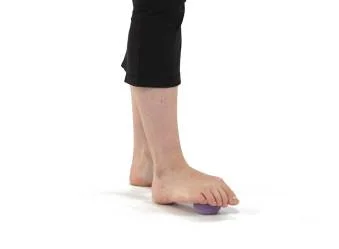
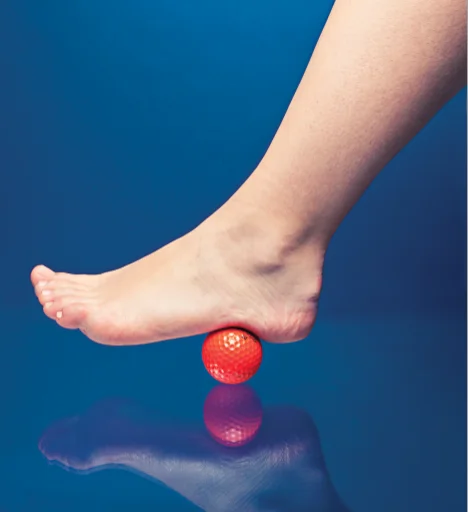
Beyond icing, regular massage and self-myofascial release can be incredibly beneficial for preventing and managing tightness in the feet and calves. The plantar fascia itself can become tight and knotted, and gently massaging it can improve blood flow and reduce tension. Using a golf ball, lacrosse ball, or a specialized foot roller to massage the arch of your foot can target trigger points and release tension. Roll slowly and apply moderate pressure, pausing on any particularly tender spots. This can be done daily, especially after runs or at the end of the day.
Don't forget the calves. As mentioned earlier, tight calves directly impact the plantar fascia. Using a foam roller or a massage stick on your calves can release tension and improve flexibility. Spend a few minutes on each calf, rolling slowly from the ankle up towards the knee, pausing on tight spots. This proactive approach to self-care is not a luxury; it's a necessity for beginner trail runners who want to maintain healthy feet and avoid the debilitating pain of plantar fasciitis. Integrating these practices into your routine will not only aid in recovery but also enhance your overall running performance and enjoyment of the trails.
Common Misconceptions and Nuances in Plantar Fasciitis Prevention
When it comes to injury prevention, especially for a condition as prevalent as plantar fasciitis, there are often misconceptions that can inadvertently lead runners down the wrong path. For beginner trail runners, navigating this information can be tricky. It's important to separate fact from fiction and understand the nuances that apply specifically to the dynamic environment of trail running.
One common misconception is that more cushioning is always better. While adequate cushioning is crucial, particularly on hard trails, excessive cushioning can sometimes reduce proprioception – your body's sense of its position in space.
On uneven trails, this can lead to instability and an increased risk of missteps, potentially straining the foot in unexpected ways. The ideal trail shoe offers a balance of protection, cushioning, and ground feel. Another myth is that stretching alone will solve all problems. While flexibility is vital, it must be paired with strength. A flexible but weak foot is still prone to injury. The combination of strength, flexibility, and proper load management is the true trifecta for plantar fasciitis prevention.
Furthermore, some beginners might assume that if they don't feel pain during the run, they're fine. Plantar fasciitis often manifests with pain after a period of rest, such as the first steps out of bed in the morning, or after sitting for a while. This delayed onset of symptoms can trick runners into thinking they are not overdoing it, only to be surprised by debilitating pain later. Paying attention to these post-activity or morning symptoms is critical for early detection and intervention.
The Importance of Variety and Cross-Training
While trail running is the goal, incorporating variety into your training regimen is a powerful preventive strategy. Exclusive focus on one type of activity can lead to repetitive stress injuries. For beginner trail runners, this means not every run needs to be on a trail. Mixing in road runs, track workouts, or even simply walking on different surfaces can expose your feet and lower legs to varied stresses, promoting broader adaptation and reducing the likelihood of specific overuse injuries.
Cross-training with non-impact activities like swimming, cycling, or elliptical training is also incredibly beneficial. These activities maintain cardiovascular fitness without placing repetitive stress on your feet. They allow your running-specific muscles and connective tissues to recover while still building overall fitness.
Strength training for your core, hips, and glutes also plays an indirect but significant role in plantar fasciitis prevention for beginner trail runners. A strong core and stable hips contribute to better running form, reducing compensatory movements that can place undue strain on the feet. This holistic approach ensures that your entire body is prepared for the demands of the trail, rather than just focusing on the feet in isolation.
FAQ: Addressing Common Questions about Plantar Fasciitis Prevention for Beginner Trail Runners
What are the absolute first steps for plantar fasciitis prevention for beginner trail runners?
The absolute first steps involve selecting appropriate trail running shoes with good arch support and cushioning, and adopting a very gradual training progression. Start with short distances on less technical trails, and never increase your weekly mileage by more than 10%.
Can simply stretching my calves be enough to prevent plantar fasciitis?
While calf stretching is critically important and highly recommended, it is usually not enough on its own. A comprehensive prevention strategy also includes strengthening intrinsic foot muscles, selecting proper footwear, gradual training progression, and active recovery practices like foot massage and icing.
How do I know if my heel pain is just soreness or actual plantar fasciitis?
Typical plantar fasciitis pain is a sharp, stabbing pain in the heel, often worse with the first steps in the morning or after periods of rest. It may lessen after a few minutes of walking but can return with prolonged activity. General muscle soreness tends to be a duller ache and improves with movement rather than worsening.
Should I wear orthotics right away as a beginner trail runner to prevent plantar fasciitis?
Not necessarily right away. For many beginners, proper shoe selection and strengthening exercises are sufficient. However, if you have known biomechanical issues (like very flat feet or high arches) or start experiencing early symptoms despite preventive measures, over-the-counter or custom orthotics might be beneficial and should be discussed with a healthcare professional.
Is it okay to run through mild heel pain as a beginner?
It is generally not advisable to run through any persistent heel pain. Mild pain can quickly escalate into a more severe and chronic condition if ignored. It's crucial to listen to your body, reduce intensity or mileage, rest, and implement recovery strategies at the first sign of discomfort. Early intervention is key to effective plantar fasciitis prevention for beginner trail runners.
The journey into trail running is a rewarding one, full of incredible experiences and personal growth. Like any new endeavor, it comes with its own set of challenges, and protecting your body from common injuries like plantar fasciitis is paramount to ensuring that your passion remains a source of joy, not pain. By embracing a thoughtful, holistic approach that prioritizes proper footwear, gradual training, consistent strengthening and flexibility, and diligent recovery, beginner trail runners can lay a solid foundation for many years of healthy, exhilarating adventures on the trails. Remember, patience and consistency are your greatest allies in this journey.