The world of trail running is an exhilarating blend of physical challenge, natural beauty, and a profound sense of freedom. As new enthusiasts lace up their shoes and venture beyond paved paths, they often encounter a dizzying array of gear, advice, and differing opinions. One question that frequently arises, sparking lively debate among seasoned runners and beginners alike, is whether beginner trail runners should use trekking poles. This isn't a simple yes or no answer, as the utility and impact of poles can vary wildly depending on the individual, the terrain, and even the philosophy one brings to the trail.
- •The Core Question: Should Beginner Trail Runners Use Trekking Poles?
- ◦Understanding the Beginner's Unique Needs on the Trail
- •The Argument For: Why Poles Could Be Beneficial for Novices
- ◦Enhanced Stability and Balance on Uneven Terrain
- ◦Reduced Impact on Joints, Especially Downhill
- ◦Aid in Uphill Propulsion and Efficiency
- ◦Improved Posture and Body Mechanics
- ◦A Psychological Edge: Confidence and Security
- •The Argument Against: When Poles Might Hinder a Beginner's Progress
- ◦The Learning Curve and Added Complexity
- ◦Potential for Tripping or Entanglement
- ◦Hindering Natural Adaptation and Skill Development
- ◦Added Weight and Bulk
- ◦Cost and Maintenance
- •Situational Considerations for Beginner Trail Runners and Trekking Poles
- ◦Terrain Type
- ◦Distance and Duration
- ◦Personal Fitness Level and Injury History
- ◦Weather Conditions
- •Learning to Use Poles: It's Not Just About Holding Them
- •So, Should Beginner Trail Runners Use Trekking Poles? A Nuanced Perspective
- ◦FAQ: Should Beginner Trail Runners Use Trekking Poles?
For someone just starting out, the idea of adding more equipment to an already new and potentially intimidating activity might seem counterintuitive. Trail running itself requires developing new skills: adapting to uneven surfaces, learning to read the trail, managing ascents and descents efficiently, and building specific muscular strength and proprioception. Introducing trekking poles into this mix adds another layer of complexity, demanding coordination, technique, and an understanding of when and how to deploy them effectively. Yet, for many, poles are seen as an indispensable tool, offering support, stability, and an efficiency boost that can transform a challenging run into a more manageable and enjoyable experience.
This discussion delves deep into the nuances of this question, exploring the potential benefits and drawbacks, the specific scenarios where poles might shine or falter for a novice, and ultimately, aiming to provide a comprehensive understanding to help beginner trail runners make an informed decision about whether trekking poles are right for their journey.
The Core Question: Should Beginner Trail Runners Use Trekking Poles?
At its heart, the inquiry into whether beginner trail runners should use trekking poles touches upon fundamental aspects of learning a new sport. On one hand, there's the argument for simplicity and focusing on core skills first. Beginners need to develop their natural balance, strengthen their ankles, and learn efficient foot placement without relying on external aids. Introducing poles too early, some contend, might create a crutch, hindering the development of these crucial foundational abilities. It's akin to learning to swim with a float vest — useful for initial confidence, but not ideal for long-term skill acquisition.
Conversely, the argument for poles often centers on safety, injury prevention, and enhanced performance, even for those new to the sport. Trail running, by its very nature, carries a higher risk of falls and sprains compared to road running. Poles can act as extra points of contact with the ground, providing an immediate boost in stability and confidence. For a beginner who might be tentative on technical descents or steep climbs, this added support can be invaluable, potentially preventing falls that could otherwise lead to injury or discourage them from continuing. The discussion around "should beginner trail runners use trekking poles" therefore becomes a balancing act between fostering natural ability and leveraging tools for immediate benefit and safety.
Understanding the Beginner's Unique Needs on the Trail
A beginner trail runner faces a distinct set of challenges that differ significantly from those of an experienced ultra-runner. Their musculoskeletal system might not yet be accustomed to the eccentric loading of descents or the dynamic demands of navigating roots and rocks. Ankle stability, knee strength, and core engagement, which are paramount for confident trail running, are often still developing. Furthermore, their "trail eyes" – the ability to quickly scan the path ahead and choose the optimal line – are unrefined, leading to more hesitation and reactive movements.
Psychologically, a beginner might also grapple with a lack of confidence, particularly on technical or steep sections. The fear of falling, twisting an ankle, or simply not being able to keep up can be very real. This is where the question of whether beginner trail runners should use trekking poles becomes particularly relevant. If poles can mitigate some of these immediate physical and psychological hurdles, they might enable a beginner to enjoy the experience more, stick with it longer, and gradually build the skills necessary for unassisted running. The goal for any beginner is to foster a love for the activity, and if poles contribute to that initial positive experience, their value cannot be easily dismissed. However, it's equally important not to substitute genuine skill development with an over-reliance on gear.
The Argument For: Why Poles Could Be Beneficial for Novices
When considering whether beginner trail runners should use trekking poles, there are several compelling arguments in favor of their adoption, especially when viewed through the lens of a new participant's needs and challenges.
Enhanced Stability and Balance on Uneven Terrain
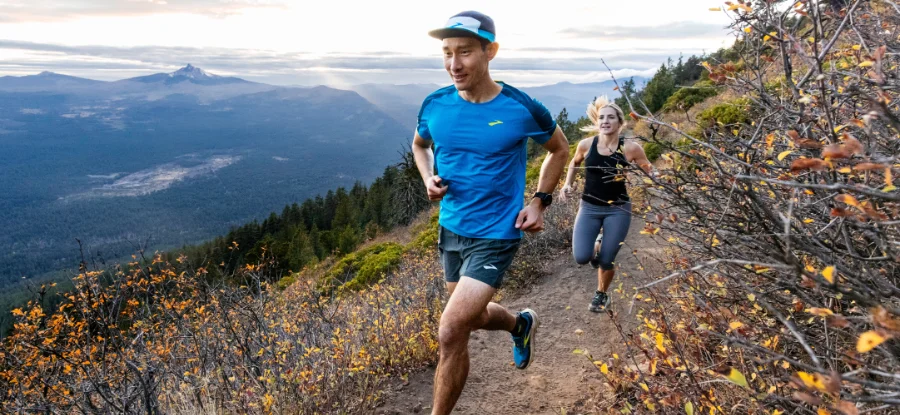
Perhaps the most immediate and tangible benefit for a beginner is the significant boost in stability and balance. Trail surfaces are inherently unpredictable – loose gravel, slippery roots, muddy patches, and jagged rocks are all part of the course. For someone new to navigating these elements, the risk of a misstep leading to a fall or twisted ankle is considerably higher. Trekking poles provide two additional points of contact with the ground, essentially turning a bipedal human into a quadripedal one, at least temporarily. This wider base of support can drastically reduce the likelihood of losing balance, allowing beginners to move with greater confidence and less apprehension. This added stability can be a game-changer on tricky sections, helping to build the confidence needed to tackle more challenging trails over time. It allows the runner to focus less on staying upright and more on the running form and enjoyment of the surroundings.
Reduced Impact on Joints, Especially Downhill
Descending steep trails places immense stress on the knees, hips, and ankles. The eccentric loading required to control the descent can be particularly taxing for beginners whose muscles and joints may not yet be conditioned for such demands. Trekking poles allow runners to offload some of this impact by pushing down on the poles, distributing the force across the arms, shoulders, and core, rather than concentrating it solely on the lower body. This reduction in impact can lead to less muscle soreness post-run and, crucially, a lower risk of overuse injuries that are common among new trail runners. For anyone with pre-existing knee issues or those simply looking to protect their joints long-term, poles offer a valuable protective mechanism. Wikipedia offers a good overview of the mechanics and benefits of trekking poles in various outdoor activities.
Aid in Uphill Propulsion and Efficiency
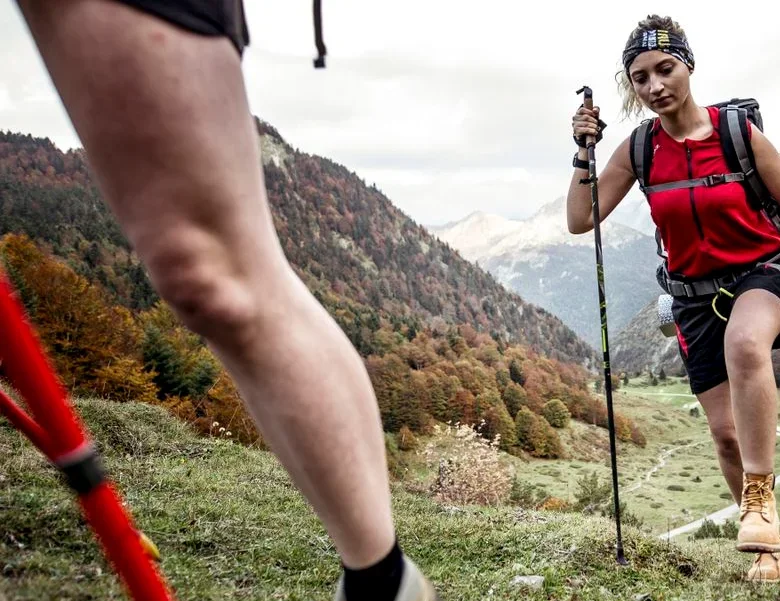
While often associated with descents, poles are equally effective on ascents. By engaging the upper body, beginners can use their arms to push off the poles, providing an additional source of propulsion. This effectively turns a leg-powered climb into a full-body effort, reducing the strain on the leg muscles and improving overall climbing efficiency. For a beginner, this can mean less fatigue on long climbs, allowing them to maintain a more consistent pace and conserve energy for the rest of the run. It also encourages a more upright posture, which can open up the lungs and improve breathing efficiency during strenuous efforts.
Improved Posture and Body Mechanics
Many beginners, especially those transitioning from road running, tend to hunch over on trails, particularly when tired or on steep sections. Trekking poles can naturally encourage a more upright and engaged posture. By providing a framework for the upper body, poles help maintain an open chest and a straighter back, which can improve breathing mechanics and reduce strain on the lower back. This improved posture can translate to better overall running form, which is a critical skill for any runner to develop, regardless of experience level.
A Psychological Edge: Confidence and Security
Beyond the physical benefits, the psychological boost poles offer cannot be overstated. For a beginner, the mere presence of poles can instill a sense of security and confidence. Knowing that they have an extra two points of contact to prevent a fall or to push off a challenging section can reduce anxiety and allow them to relax and enjoy the trail more. This mental comfort can be crucial in fostering a positive early experience with trail running, encouraging continued participation and exploration of more adventurous routes. The feeling of being more stable and less prone to falling can transform a daunting trail into an exciting adventure, making the question of should beginner trail runners use trekking poles lean towards a positive answer for many.
The Argument Against: When Poles Might Hinder a Beginner's Progress
While the benefits of trekking poles for beginner trail runners are clear, it's equally important to examine the potential drawbacks. For some, poles might introduce more problems than they solve, especially in the early stages of learning the sport.
The Learning Curve and Added Complexity
Using trekking poles effectively is not intuitive for everyone. It requires learning a specific technique: how to plant them, how to swing them, how to grip them, and how to adjust their length on the fly. For a beginner already grappling with learning to run on uneven terrain, adding the complexity of pole technique can be overwhelming. Instead of focusing on foot placement and body awareness, they might be distracted by trying to coordinate their arms and legs with the poles. This initial clumsiness can be frustrating and might actually increase the risk of tripping if the poles are misused or get tangled.
Potential for Tripping or Entanglement
New gear always carries a risk of entanglement. Poles, particularly if they're not properly stowed or if the runner is still learning to manage them, can easily catch on roots, branches, or even their own feet. This can lead to unexpected trips and falls, which is precisely what poles are often intended to prevent. Beginners, with their less refined trail awareness, might be more susceptible to these kinds of accidents. Until the pole usage becomes second nature, they can be more of a hindrance than a help in certain situations.
Hindering Natural Adaptation and Skill Development
A significant concern is that an over-reliance on poles might impede the development of natural balance, proprioception, and ankle strength. When poles provide constant external support, the body's intrinsic stabilization systems might not be challenged as much. This could mean that while a beginner feels more secure with poles, they might not be developing the core skills necessary to run confidently without them. The body learns by doing, and if the poles are always compensating, the natural adaptation process could be slowed down. This is a critical point when asking should beginner trail runners use trekking poles, as the long-term goal is often to become a self-sufficient and capable trail runner.
Added Weight and Bulk
Even the lightest trekking poles add some weight to a runner's kit. While often negligible for experienced users, for a beginner who might already be feeling the strain of a new activity, any extra weight can feel cumbersome. Moreover, poles need to be carried when not in use, either collapsed and stowed in a vest or pack, or held in hand. Managing this additional gear can be an annoyance, especially on trails with mixed terrain where poles are only needed intermittently. The constant act of deploying and stowing them can break a runner's rhythm and add to the mental load.
Cost and Maintenance
Trekking poles represent an additional financial investment. Quality, lightweight poles can be expensive. For someone just dipping their toes into trail running, this might be an unnecessary upfront cost if they're unsure whether the sport, or pole usage, will stick. Furthermore, like any gear, poles require some basic maintenance and care. While not a major concern, it's another item on the checklist for a beginner who might prefer to keep things simple.
Situational Considerations for Beginner Trail Runners and Trekking Poles
The decision of whether beginner trail runners should use trekking poles is rarely black and white. It heavily depends on the specific context of their runs.
Terrain Type
The nature of the trail is perhaps the most significant factor. On trails with long, steep ascents and descents, especially those that are technical, rocky, or muddy, poles offer the most benefit. They provide leverage for climbing and stability for descending, mitigating many of the challenges beginners face. However, on flat, smooth, or gently rolling trails, poles can be more of a nuisance. They can get in the way, disrupt natural arm swing, and offer little to no advantage. For a beginner primarily running on such easier terrain, poles are likely unnecessary and could even hinder their enjoyment and focus on fundamental running form.
Distance and Duration
Longer runs or those with significant elevation gain tend to be more taxing, leading to greater fatigue. As fatigue sets in, form can degrade, and the risk of falls increases. In these scenarios, poles can be incredibly beneficial for beginners, helping to maintain stability, reduce impact, and provide propulsion when legs are tired. For shorter, less demanding runs, especially those focused on building endurance or speed, poles might not be necessary and could even impede natural movement patterns. A beginner might consider using poles only for their longest or most challenging training runs, gradually incorporating them as their confidence grows.
Personal Fitness Level and Injury History
A beginner's individual physical condition plays a crucial role. Those with weaker ankles, a history of knee problems, or less developed core strength might find poles to be a vital aid in preventing injury and building confidence. For instance, someone recovering from an ankle sprain might use poles to provide extra support and reduce the risk of re-injury. Conversely, a beginner who is already quite fit from other sports and possesses good natural balance might find poles redundant or cumbersome, preferring to rely on their inherent abilities. It’s also worth consulting with a physical therapist or doctor if there are specific injury concerns before deciding if beginner trail runners should use trekking poles.
Weather Conditions
Adverse weather conditions can transform even a familiar trail into a treacherous one. Muddy trails, icy patches, or snow-covered routes significantly increase the risk of slipping. In these situations, poles can dramatically enhance safety and stability for beginners, providing crucial grip and balance where footing is otherwise unreliable. The added security can make the difference between a safe, albeit challenging, run and a dangerous one. However, in clear, dry conditions, their necessity diminishes, especially on less technical trails.
Learning to Use Poles: It's Not Just About Holding Them
If a beginner decides that trekking poles might be beneficial, it's crucial to understand that their effectiveness hinges on proper technique. Simply holding them and occasionally planting them won't unlock their full potential and might even lead to inefficiency or injury.
The first step is correct sizing. When holding the pole with your arm bent at a 90-degree angle, the pole should be the right length. Adjustable poles are ideal for beginners, allowing them to experiment with different lengths for ascents (shorter) and descents (longer). The straps are not just for show; they're integral to transferring power from your arms and shoulders to the poles without having to grip them too tightly, which can lead to fatigue.
Basic technique involves planting the poles in a rhythm that complements your running stride. On flats and rolling terrain, a diagonal stride (left foot and right pole forward simultaneously) is common. On steep ascents, a double-pole plant (both poles planted together in front) can provide a powerful push. Downhills require careful placement to absorb impact and maintain balance, often with poles planted slightly ahead of the body.
Practice is key, starting on easier terrain to develop muscle memory and coordination before tackling more technical routes. Learning how to quickly collapse and stow poles when not needed is also a vital skill, preventing them from becoming a liability in sections where hands-free running is preferred. This commitment to learning proper technique is what differentiates effective pole users from those who find them more of a hindrance, and it's an important consideration when asking should beginner trail runners use trekking poles.
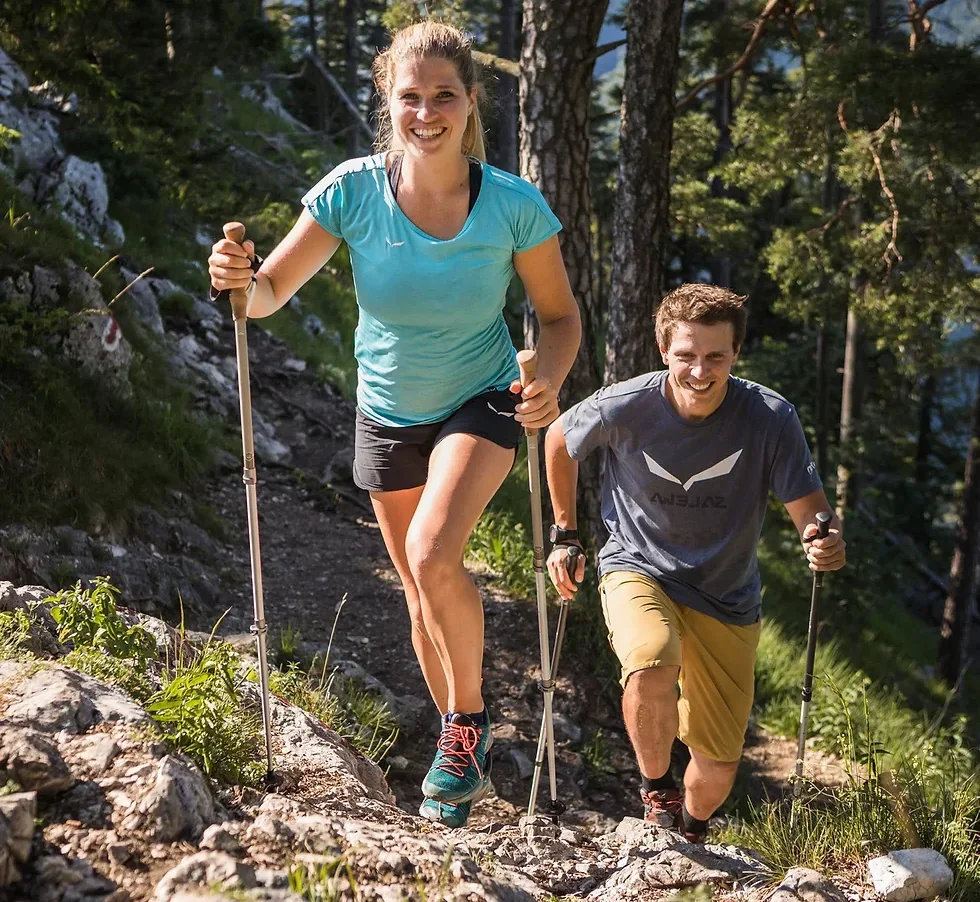
So, Should Beginner Trail Runners Use Trekking Poles? A Nuanced Perspective
After exploring the various facets of this discussion, it becomes clear that there isn't a universal "yes" or "no" answer to the question: should beginner trail runners use trekking poles? The decision is deeply personal and depends on a confluence of individual factors, environmental conditions, and personal goals.
For some beginners, particularly those with less developed balance, a history of lower body injuries, or those tackling very steep and technical terrain from the outset, poles can be an invaluable tool. They can provide immediate confidence, enhance stability, reduce joint impact, and aid in propulsion, making the initial foray into trail running more enjoyable and less intimidating. In these cases, poles might be the key to fostering a lasting passion for the sport, as they mitigate some of the steeper learning curves and physical demands.
However, for other beginners, especially those with a strong athletic background, good natural balance, or those starting on gentler trails, poles might be an unnecessary complication. They could hinder the development of intrinsic balance and proprioception, add unwanted bulk, and introduce a new skill that distracts from mastering fundamental trail running techniques. The initial clumsiness associated with learning pole technique might even detract from the joy of running itself.
A sensible approach for most beginners might be to start without poles on easier trails to first develop a feel for the terrain and their own body mechanics. Once a baseline level of comfort and skill is established, they can then experiment with poles on more challenging routes or longer runs. This hybrid approach allows for the development of natural abilities while still leveraging the benefits of poles when the situation truly warrants it. It’s also wise to borrow or rent poles for a few runs before committing to a purchase, to see if they genuinely enhance the experience.
Ultimately, the best advice is to listen to your body, assess your specific needs and the demands of the trails you plan to run, and be open to experimentation. Trail running is a journey of continuous learning and adaptation, and whether or not trekking poles are part of that journey for a beginner is a choice that should be made thoughtfully and without dogma.
FAQ: Should Beginner Trail Runners Use Trekking Poles?
What type of poles should a beginner look for?
Beginners should generally look for lightweight, adjustable poles, ideally those that collapse easily for stowing. Carbon fiber poles are lightest but more expensive; aluminum poles are more durable and budget-friendly. Flick-lock mechanisms are often preferred over twist-locks for reliability and ease of adjustment.
Can using poles slow down a beginner?
Initially, yes. The learning curve for coordinating poles with running can make a beginner feel clumsy and might temporarily slow them down as they focus on technique rather than pace. However, once proficient, poles can significantly improve efficiency and speed on challenging terrain, especially on ascents and descents.
How long does it take for a beginner trail runner to learn to use trekking poles effectively?
It varies greatly by individual, but with consistent practice, most beginners can develop a comfortable and effective pole technique within a few weeks to a couple of months. Starting on less technical trails and focusing purely on form before adding speed will accelerate the learning process.
Should beginner trail runners use trekking poles on all types of trails?
Generally, no. Poles offer the most benefit on steep, technical, or slippery terrain. On flat, smooth, or gently rolling trails, they can be cumbersome and unnecessary, hindering natural arm swing and potentially slowing you down. It's often best to use them selectively where they provide the most advantage.
Are there any specific exercises to improve pole technique for beginners?
Yes, practice walking with poles on varied terrain, focusing on a consistent rhythm. Try different planting techniques for ascents (diagonal stride, double plant) and descents (planting ahead for stability). Practice quick adjustments of pole length and efficient stowing. Incorporate core strengthening exercises and balance drills (like standing on one leg) to improve overall stability, which will complement pole use.
The journey into trail running is unique for everyone, a path of self-discovery as much as a physical endeavor. The question of whether to incorporate trekking poles early on is just one of many choices a beginner will face. There's no single right answer, only what feels right for you, your body, and the trails you choose to explore. Experiment, learn, adapt, and most importantly, enjoy the wild beauty that awaits beyond the pavement.